The family
A doctor from Tuluá, a promise of love and a hacienda that became three.
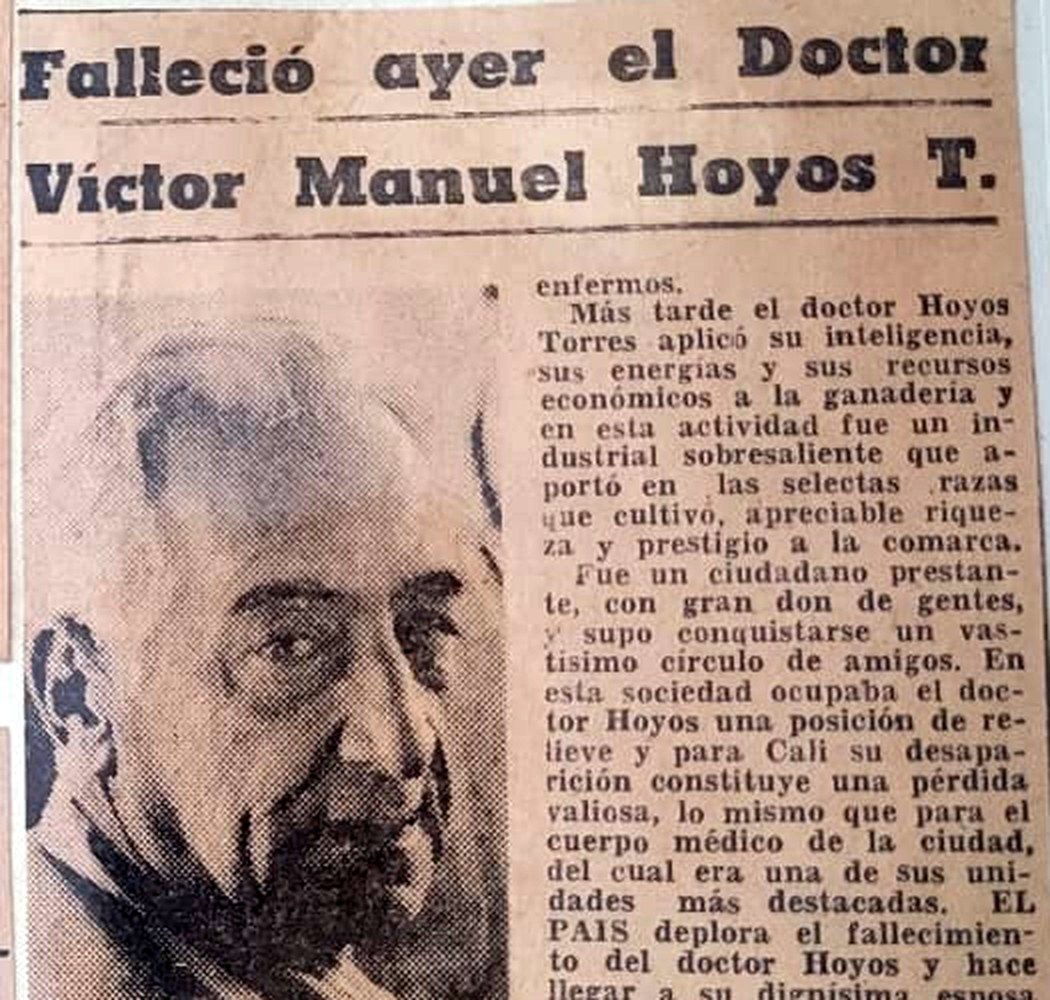
Clipping from El País, Cali, kept by the family. Photo: María Victoria Hoyos.
The founder
Doctor, cattleman and the man who put the land together
He was born in Tuluá, the son of Ezequiel Hoyos and Dolores Torres. He studied medicine at the Universidad Nacional in Bogotá and also trained in hospitals in Paris, where he specialized in gynecology and neurology. The First World War caught him in Europe.
Back home he settled in Cali. He went into practice with Dr. Luis H. Garcés as a co-founder of his clinic, and according to the city’s newspapers he was the one who brought the Sisters of Saint Joseph to care for the patients.
Later he traded the consulting room for the countryside. He took up cattle ranching, and the papers remembered him for the fine breeds he raised. He spent hours at the Café Polo Norte talking farming with fellow doctors. He put the land of Berlín together in that second life, between 1943 and 1948.
«Víctor was a wonderful man who knew how to take the solemnity out of everything.»
Luis Bernardo Salcedo, his friend, in José Pardo Llada’s column “Mirador”
1943 to 1948
Víctor Hoyos Torres did not buy the estate all at once. He put it together at three moments, always with the same family, the Ochoa Mejías.
The first deed is dated April 27, 1943, at Notary Office No. 1 in Cali. On July 8, 1947, he signed two more at Notary Office No. 2 in Cali, one an exchange and one a sale. The last came on March 1, 1948, again at Notary Office No. 1, with the four Ochoa Mejía siblings.
Of all those dates, the family chose July 8, 1947, as its own. They call it “the promise of love”, and it is the year on the logo: Valle del Cauca, 1947.
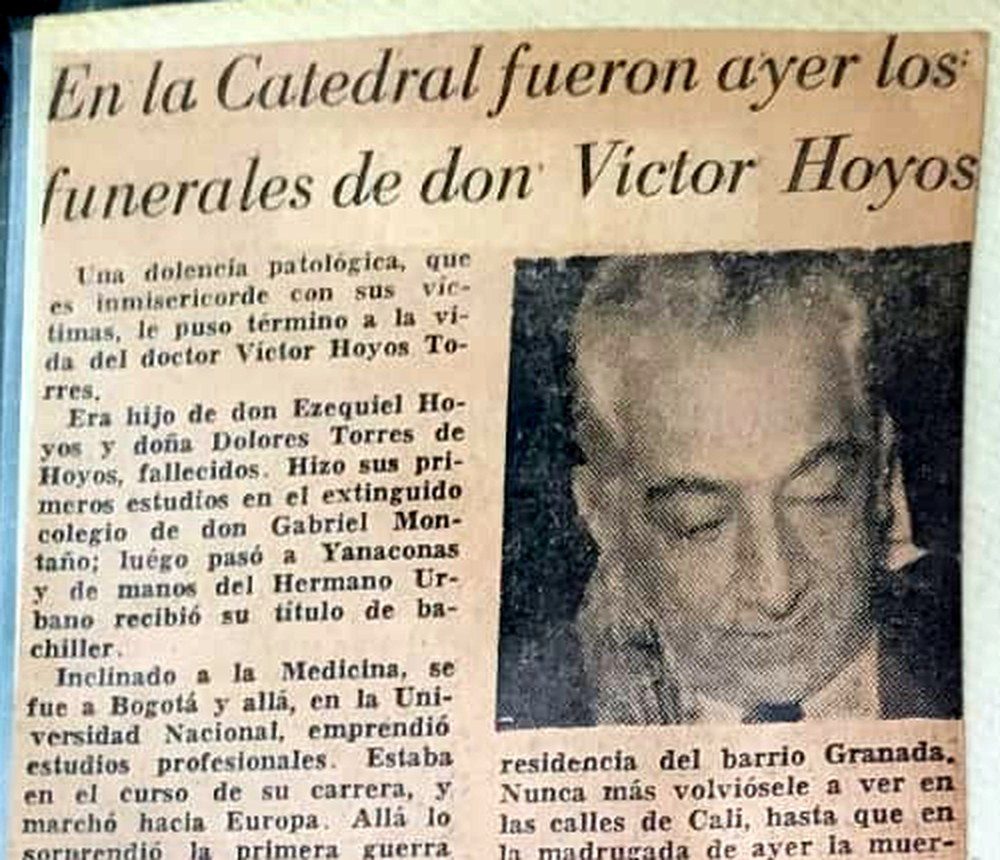
Newspaper clipping kept by the family. Photo: María Victoria Hoyos.
1966
Víctor Hoyos Torres died in Cali at 73, after a long illness and before the lake was inaugurated. His funeral at the Metropolitan Cathedral was, the papers said, very well attended.
José Pardo Llada, who never met him, wrote in his column that he died “making a good-natured joke, never once stooping to drama or fear.”
On January 12, 1966, a civil court in Cali awarded his estate to his widow, Lucía Salazar de Hoyos, and their three children: Lucy, María Victoria and Guillermo. The family still keeps the newspaper clippings from those days.
1975
How Berlín I, Berlín II and Berlín III came to be
For nine years the widow and the three children owned the hacienda together. It was a single estate, larger than today’s Berlín II.
On March 5, 1975, through a deed at Notary Office No. 2 in Buga, the heirs dissolved their joint ownership and the hacienda was split in three.
Berlín I, Berlín II and Berlín III come from that split. Together they are the three Berlíns, and that is where this estate gets its II.
This is how the three sit, seen from the estate and looking toward Lake Calima. Diagram, not to scale.
Lake Calima
Guillermo Hoyos Salazar
On the left. It was sold over the years and is now a farm with other owners.
Still in the family
In the middle. It is the share the family has kept, and where the project begins, with a campground by the water.
Lucy Hoyos de Lequerica
On the right. It was also sold over the years, and today it has homes and businesses.
Seen from the estate, facing the lake. Diagram, not to scale.
From the family album
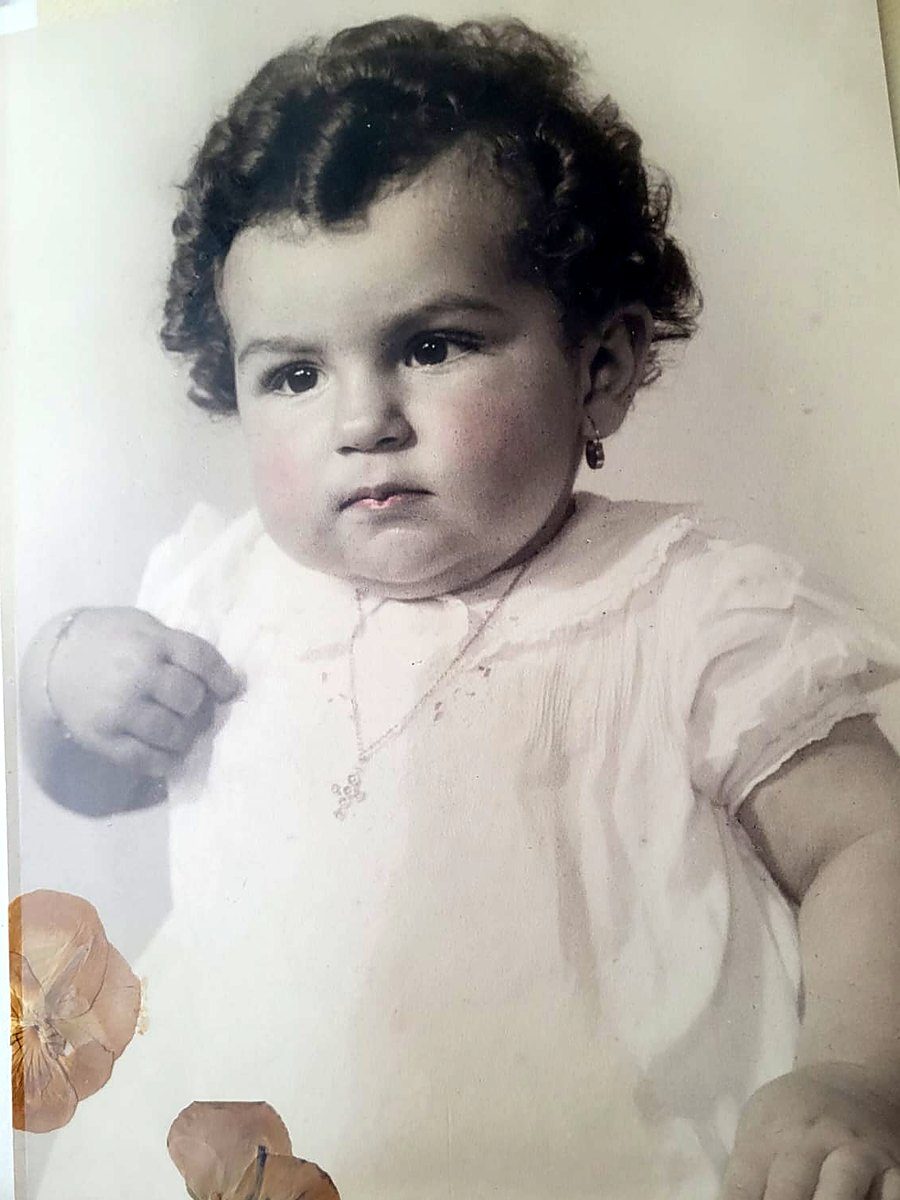
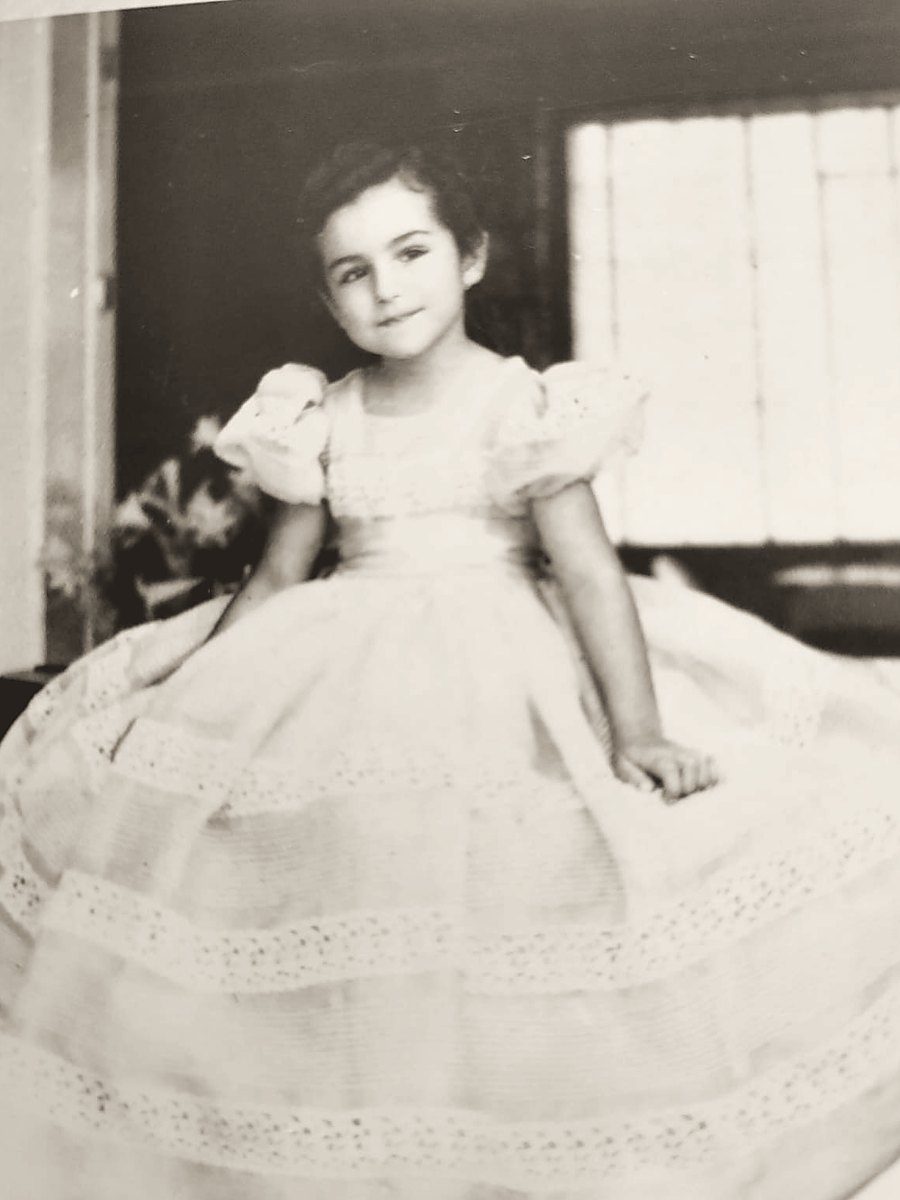
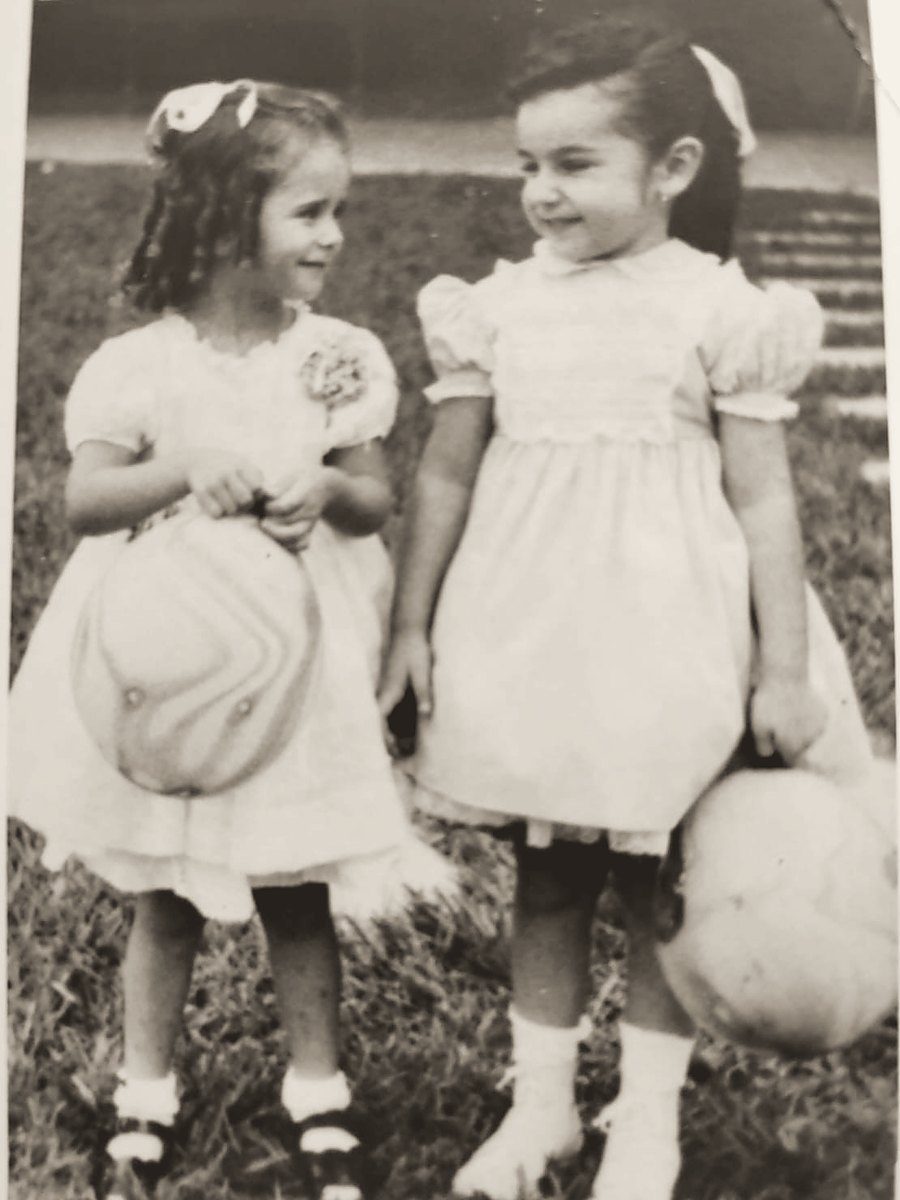
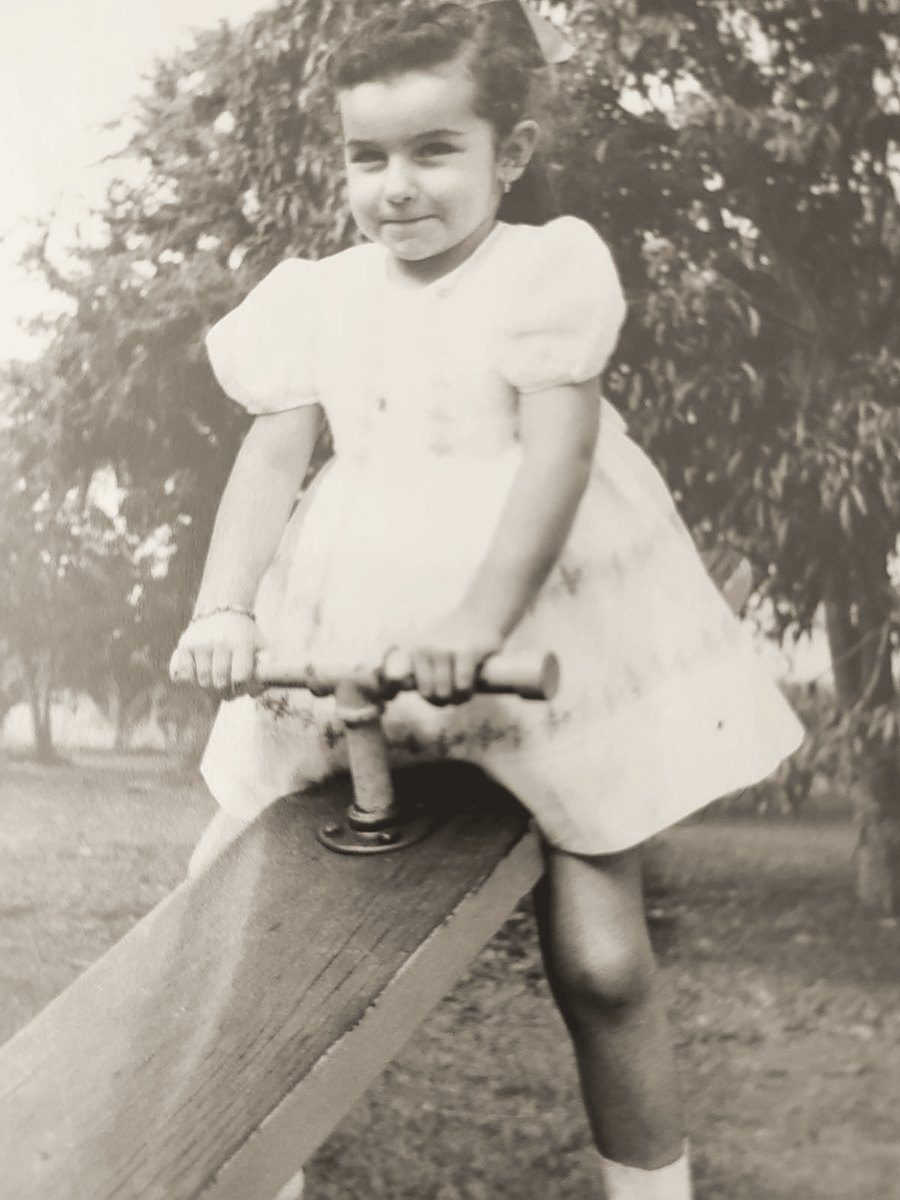
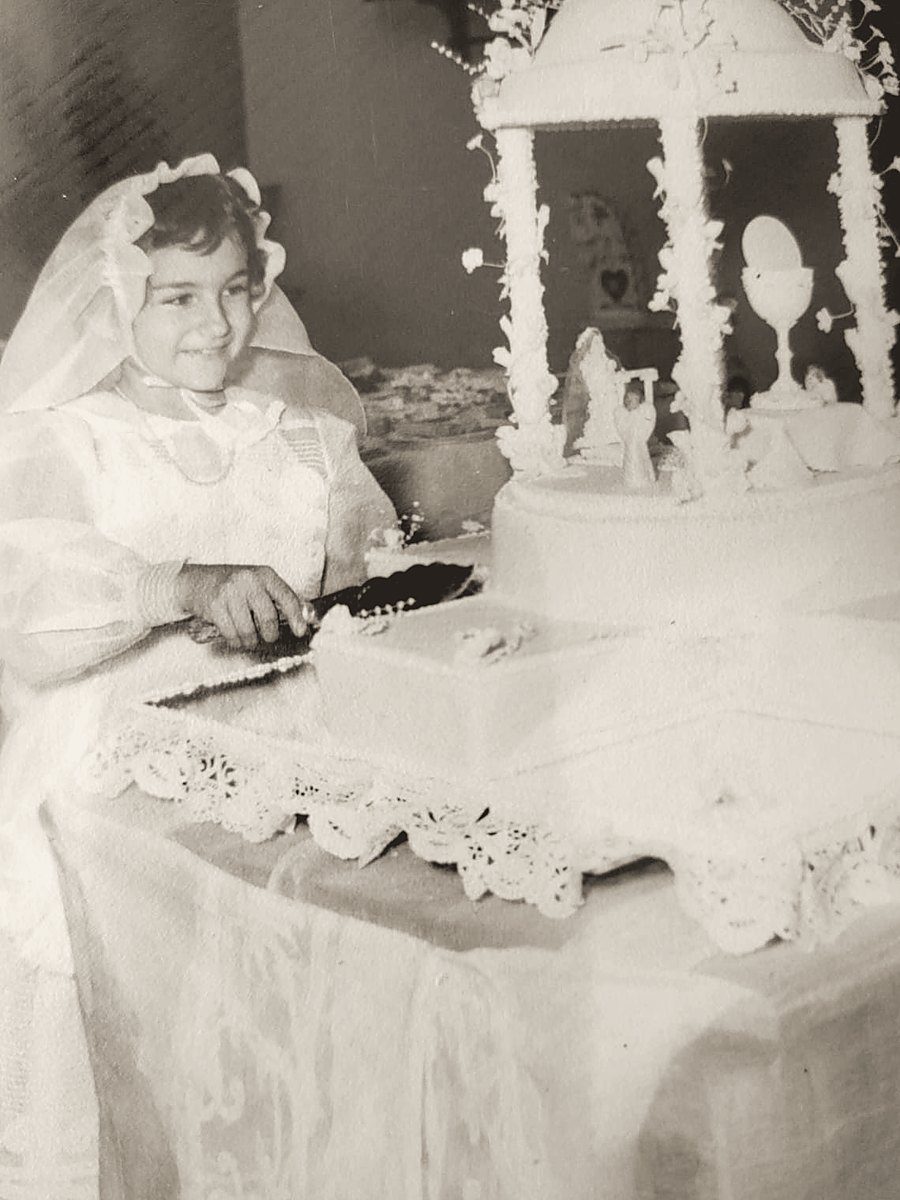
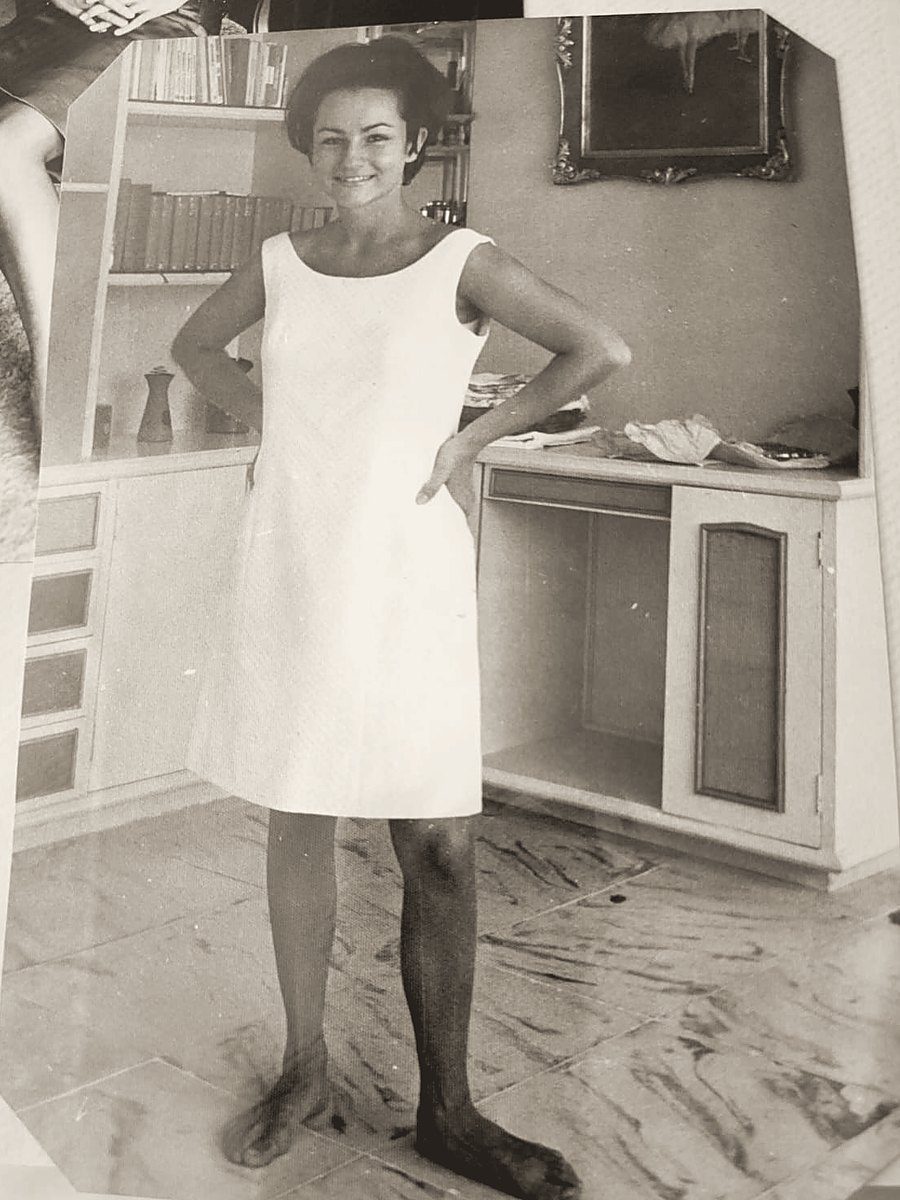
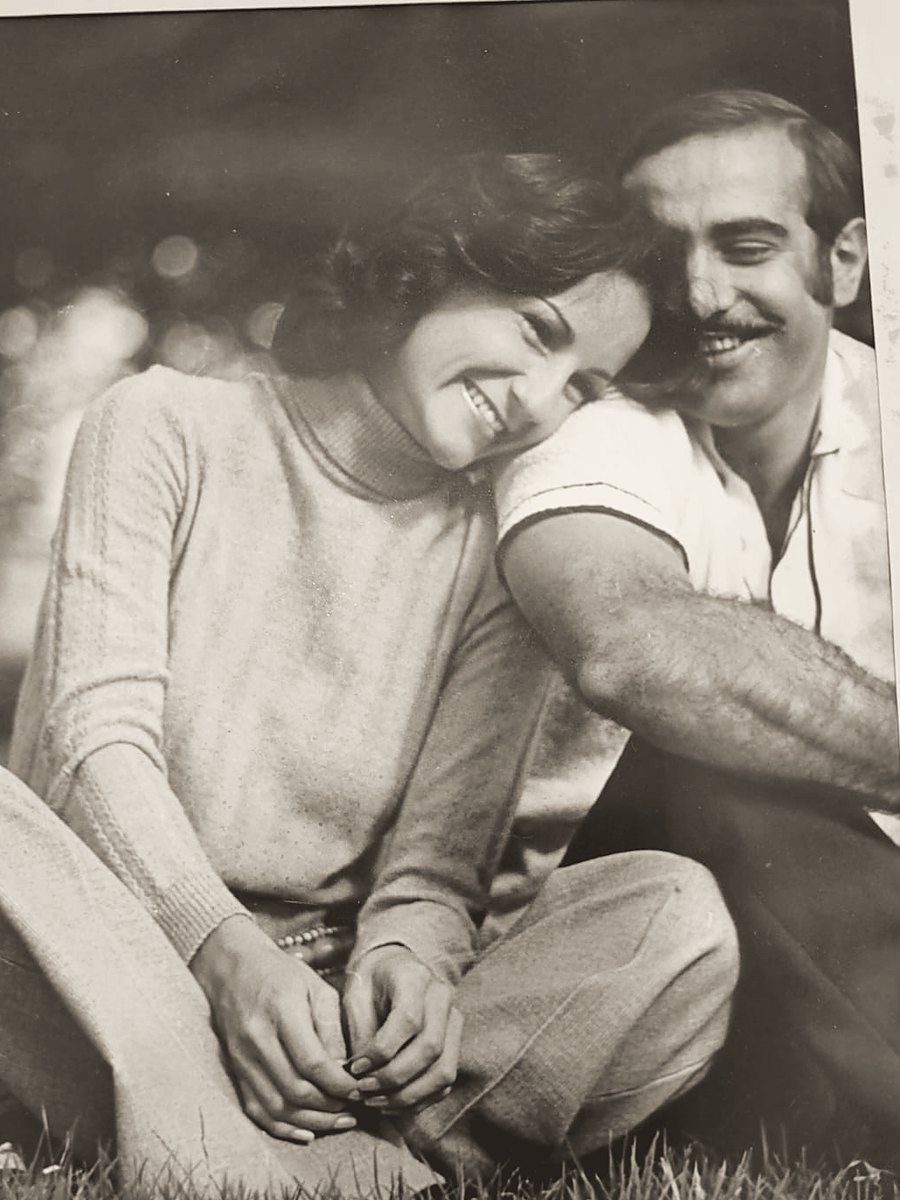
Portraits the family has kept for decades.
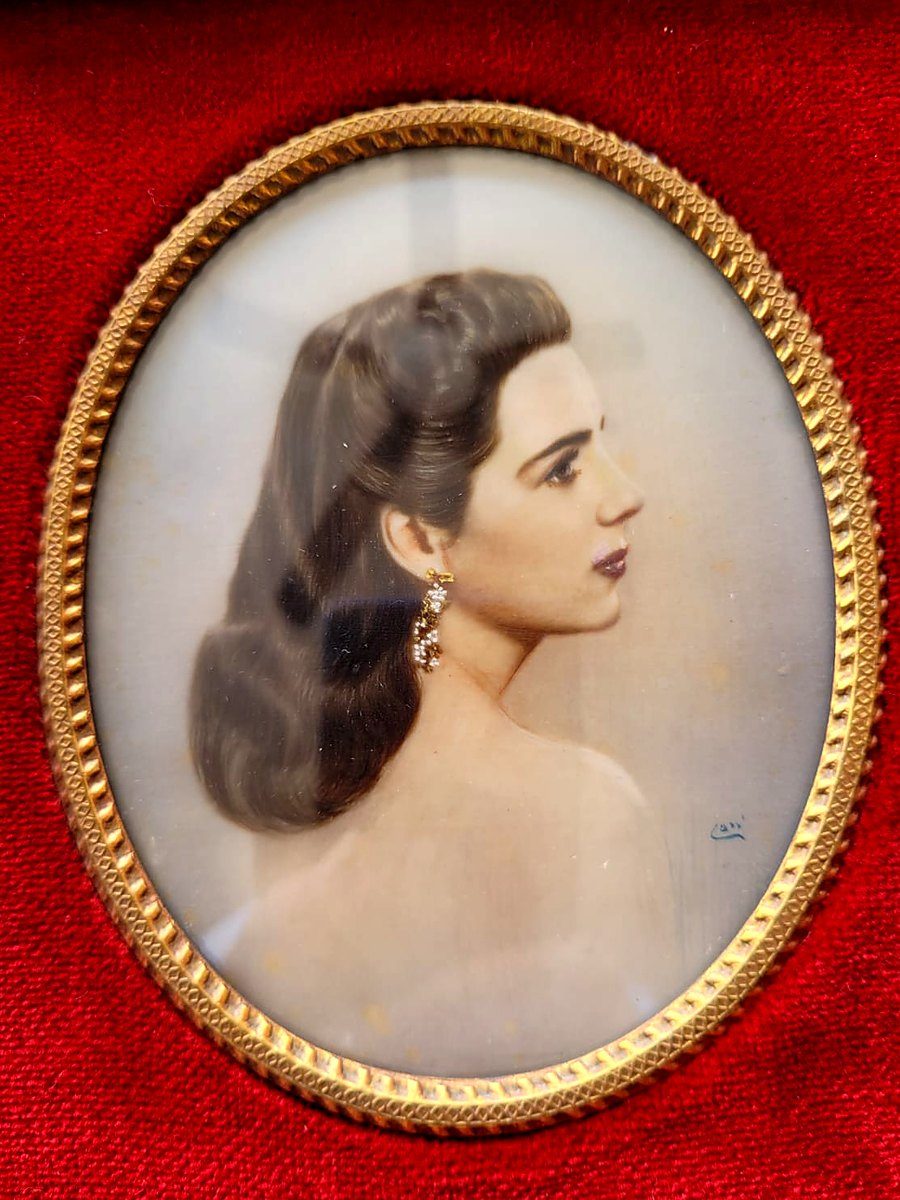
A color portrait in its oval frame. Photo: María Victoria Hoyos.
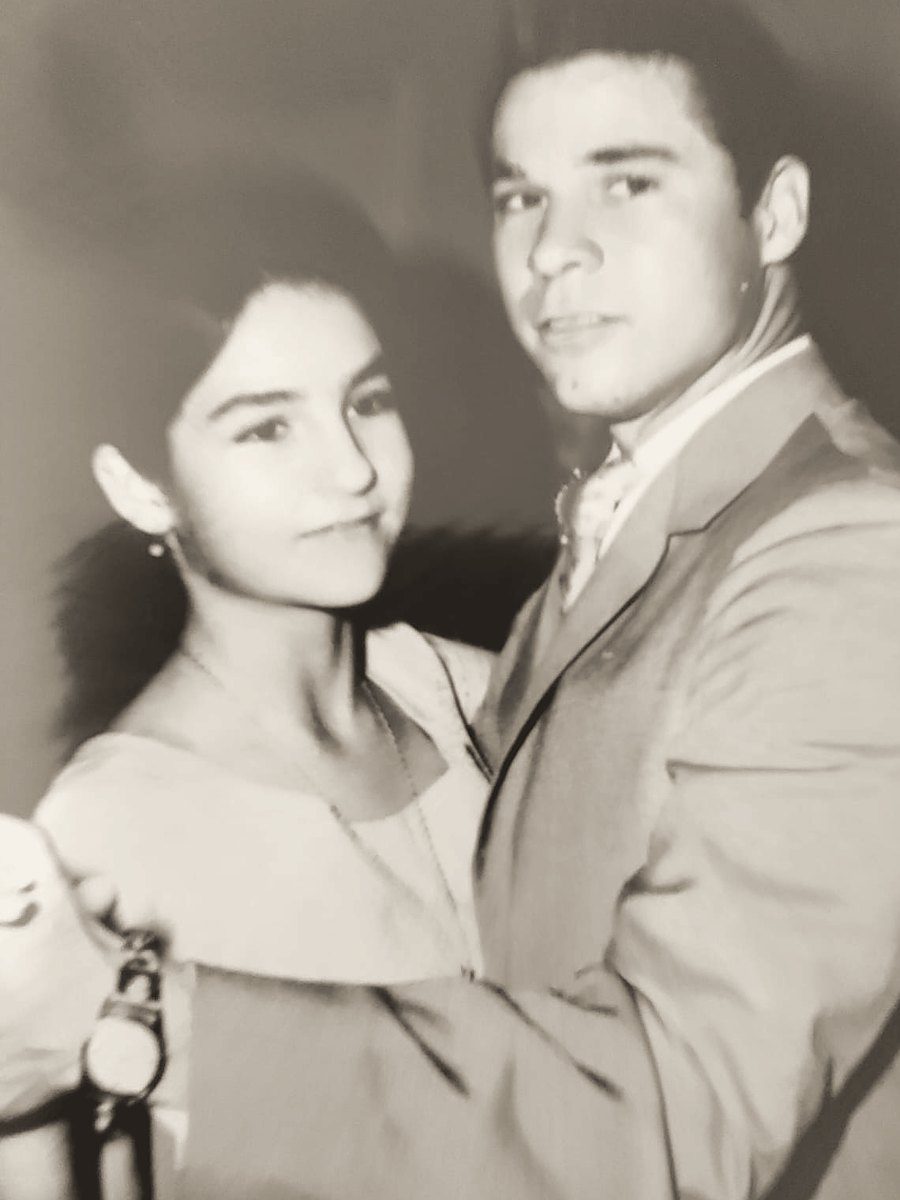
A young couple. Photo: María Victoria Hoyos.
A studio portrait, with dried flowers pressed in the album. Photo: María Victoria Hoyos.
A party dress. Photo: María Victoria Hoyos.
Two girls and a ball. Photo: María Victoria Hoyos.
On the seesaw. Photo: María Victoria Hoyos.
A first communion. Photo: María Victoria Hoyos.
At home. Photo: María Victoria Hoyos.
An afternoon on the grass. Photo: María Victoria Hoyos.
Berlín II
About 423 hectares running from the mountain down to the lake, from about 2,000 to about 1,400 meters. Below, about 181 hectares of pasture; above, about 242 of mountain and forest.
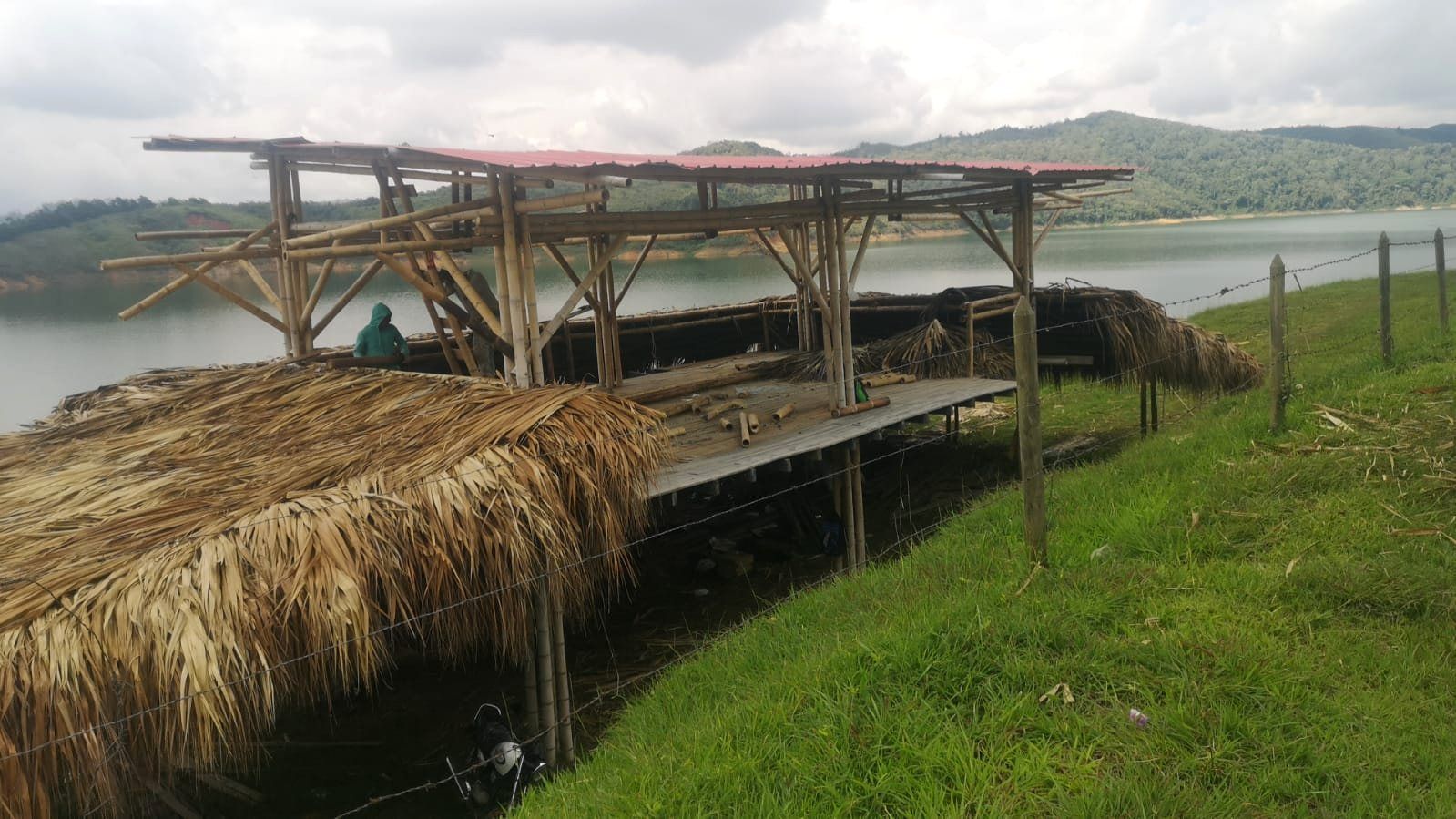
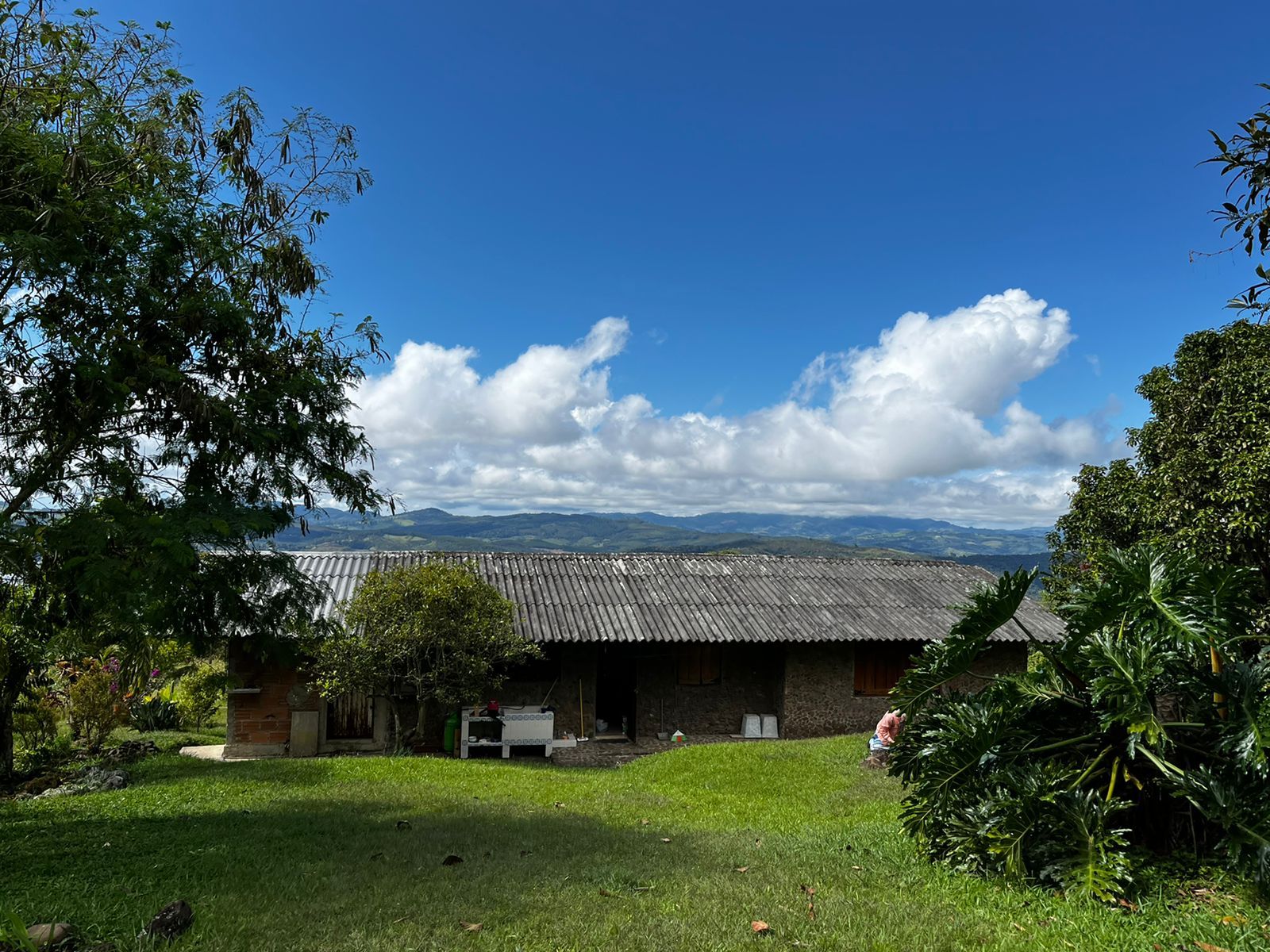
There is a cabin with ochre walls and a wooden veranda, the caretaker’s house, the stables and a thatched kiosk by the lake. There are cattle in the pasture, streams, a wetland and a waterfall.
The upper part has a name in the municipality’s land-use plan: Área de Conservación La Cervatana. No houses or roads are allowed there, and we want it to stay that way.
The land
Some afternoons the mist rolls in through the Río Bravo canyon, from the west. Locals call it El Brujo, the sorcerer, and they say the name Calima comes from it, from calina, the haze.
The family says the duendes, the goblins of local legend, live by the stream. In the project’s first documents, the family called it Parque Ecológico de los Duendes.
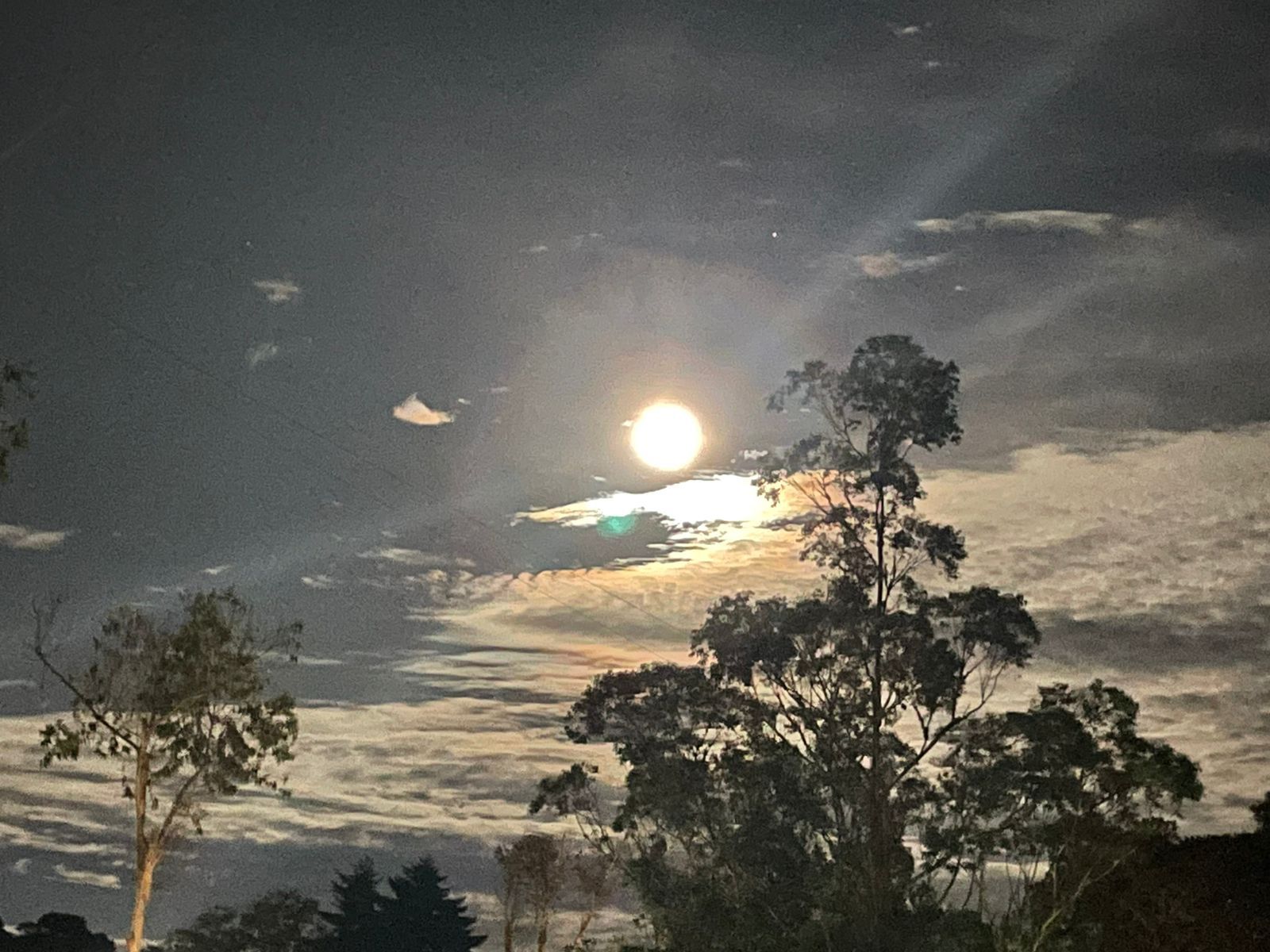
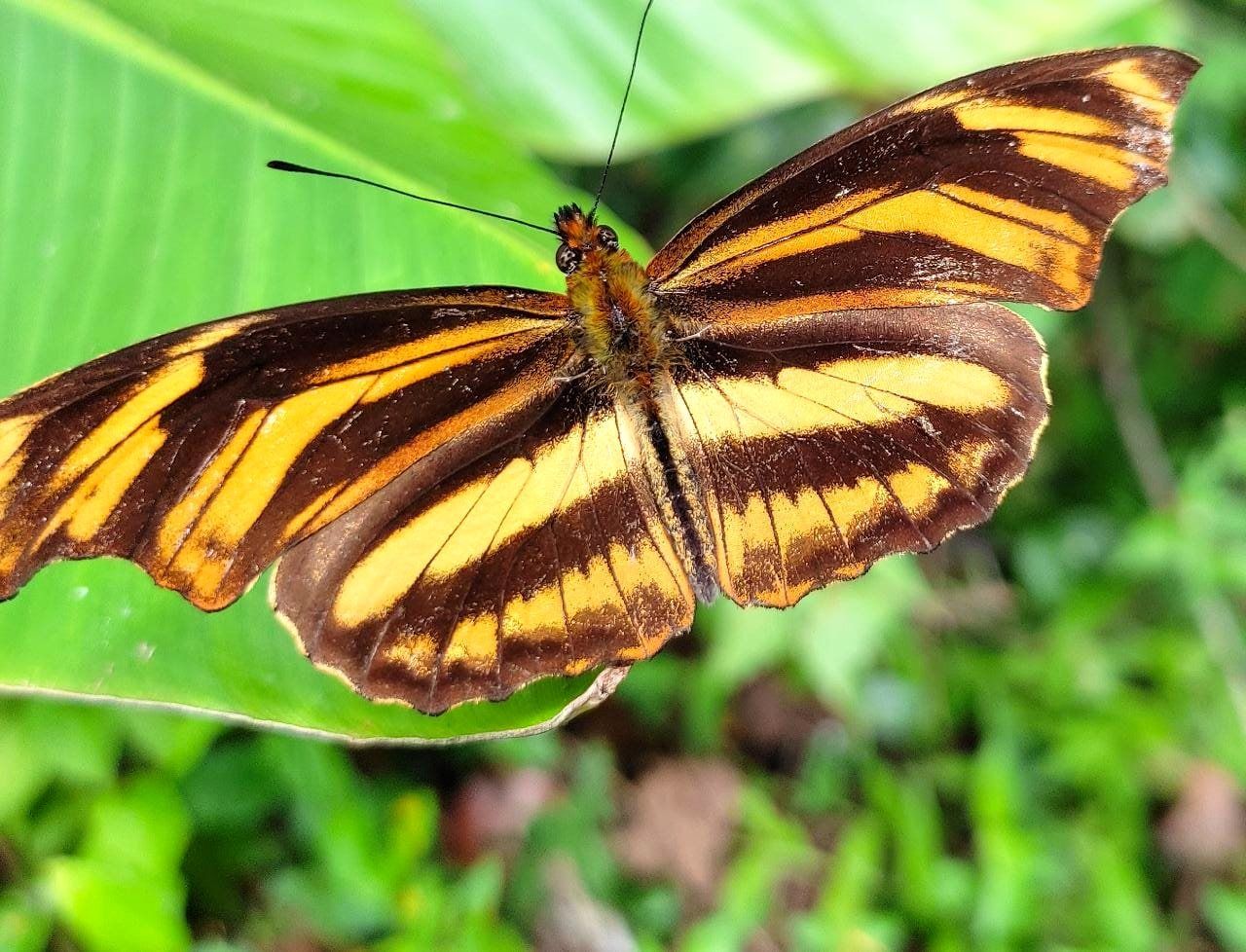
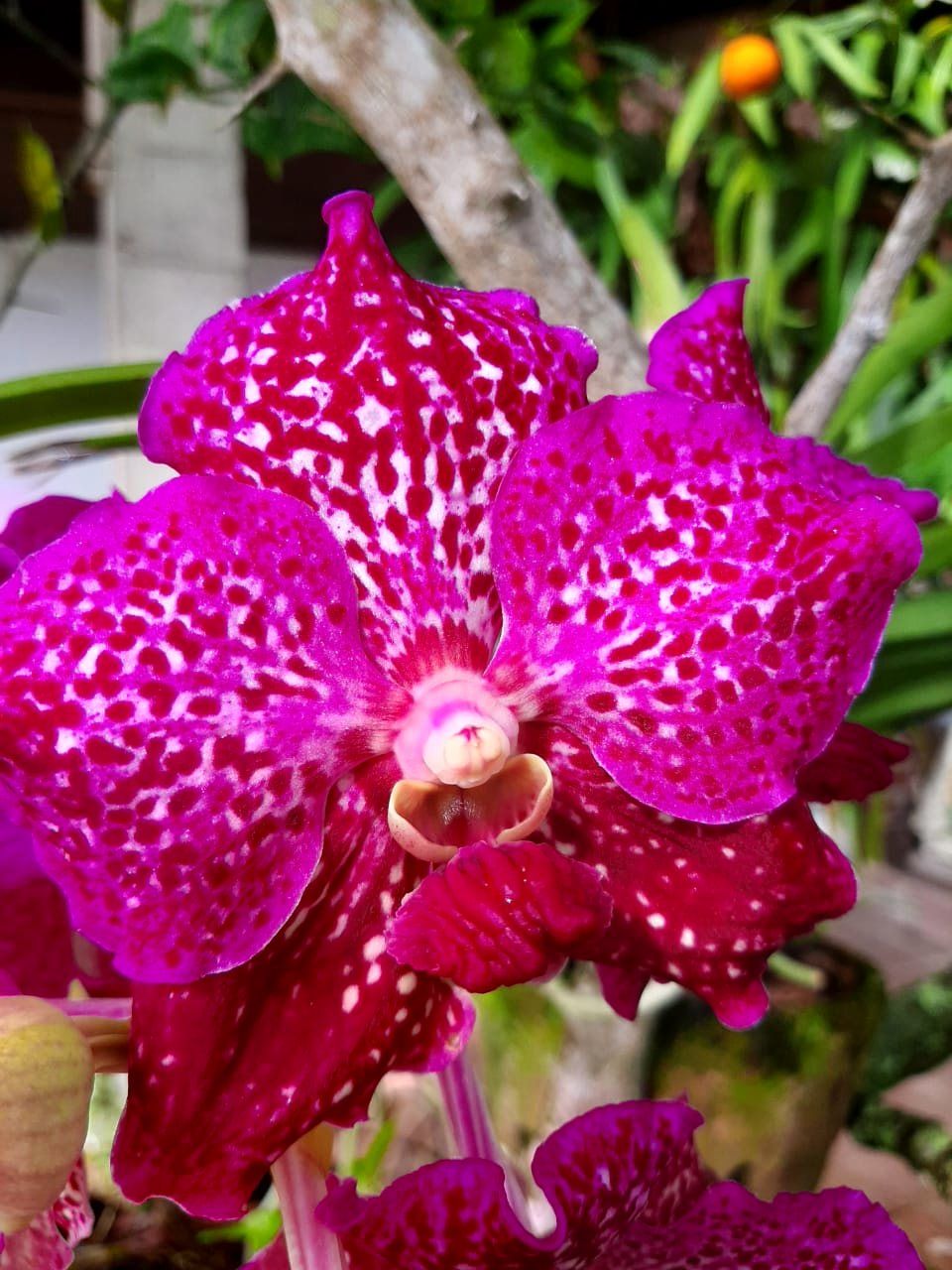
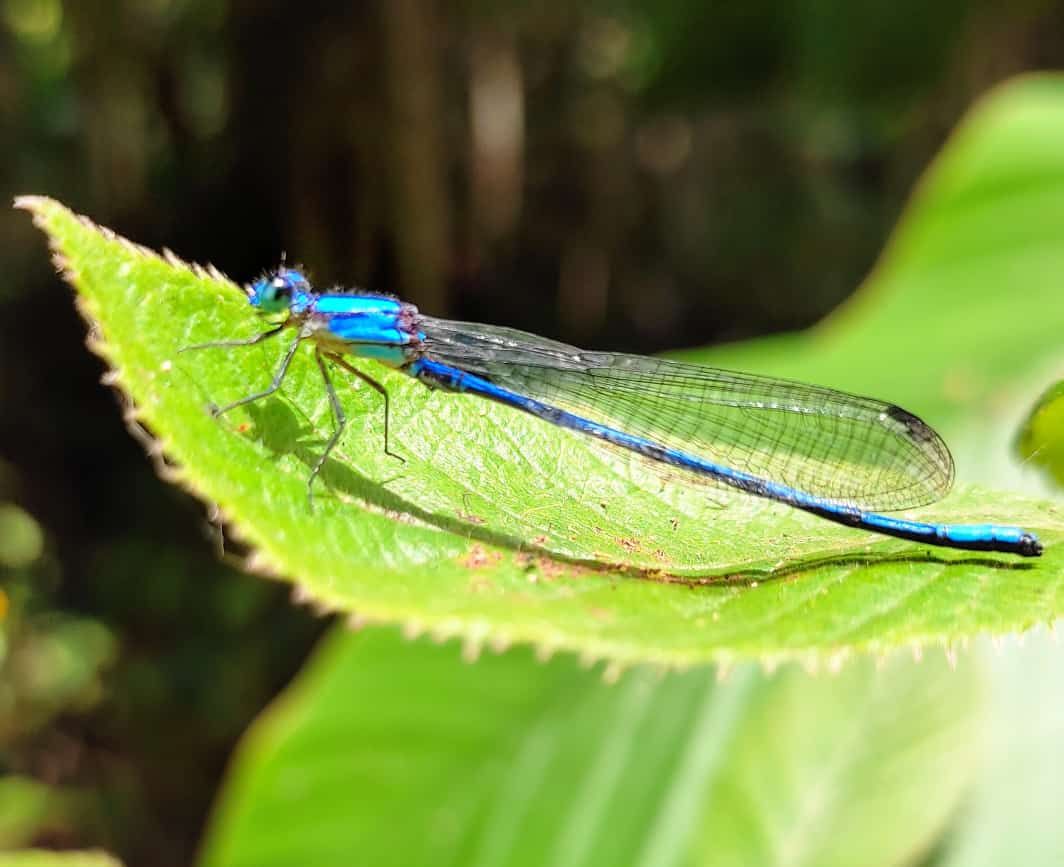
These are stories, and we tell them as stories. What you can see with your own eyes: orchids, butterflies, birds and a sky that keeps changing over the lake.
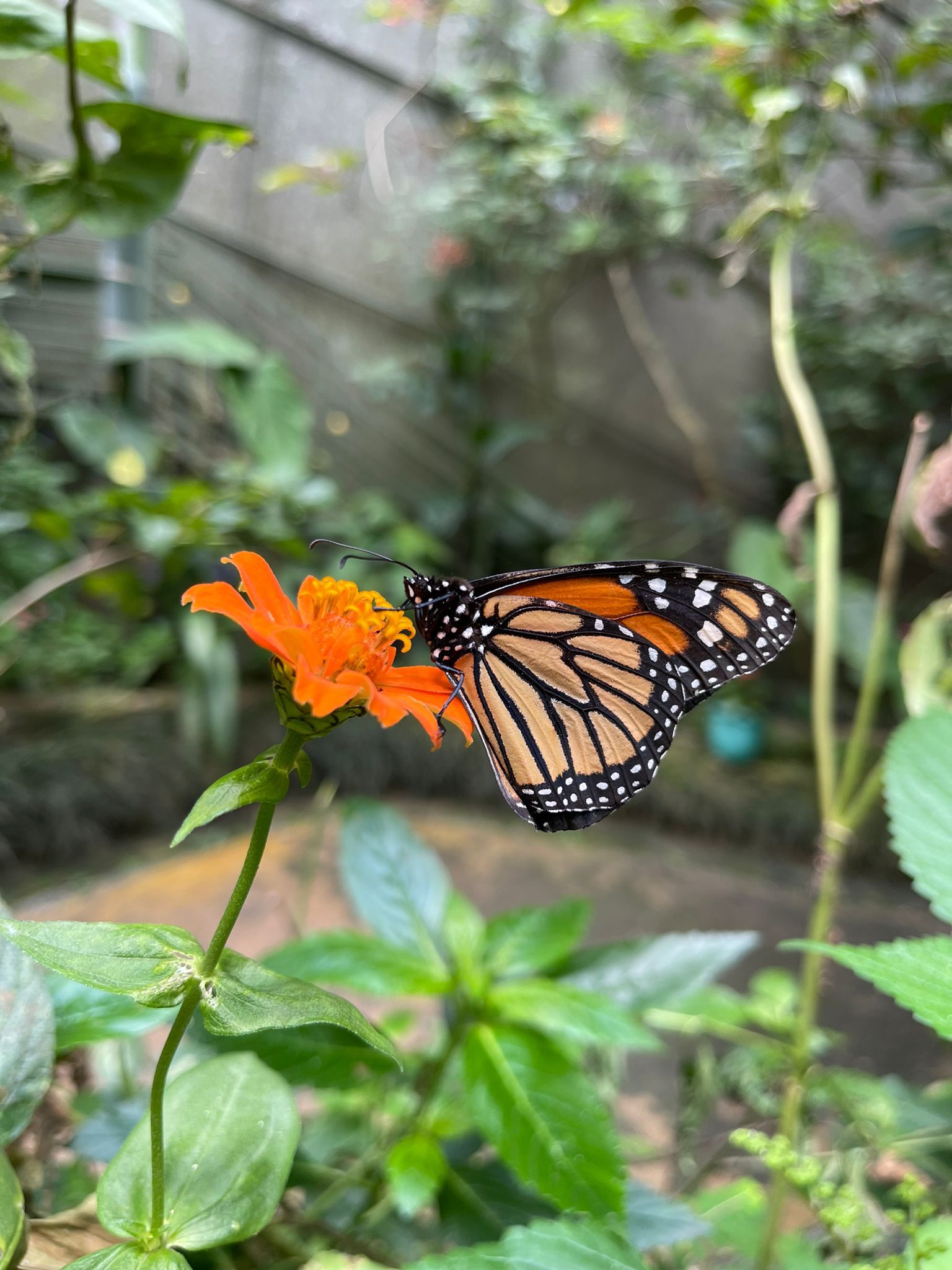
A butterfly, up close.
An orchid from the estate.
A damselfly.
A butterfly in the garden.
One of the estate’s houses.
The family’s dates come from the estate’s title certificate; the lake’s, from the CVC archives.
1943
April 27
Víctor Hoyos Torres signs the estate’s first deed with the Ochoa Mejía family, at Notary Office No. 1 in Cali.
1947
July 8
Two more deeds are signed at Notary Office No. 2 in Cali. The family calls this date “the promise of love”, and it is the year on the logo.
1948
March 1
Víctor Hoyos Torres buys the last part from the four Ochoa Mejía siblings and finishes putting the land together.
1961
August
The CVC starts building a dam on the Calima River to produce electricity. Below, the valley is still pasture.
1966
January
A Cali court settles the estate of Víctor Hoyos Torres in favor of his widow and their three children. He did not live to see the lake inaugurated.
1966
May 28
President Guillermo León Valencia inaugurates the reservoir. The water covers about 1,900 hectares of the valley. The estate was already here.
1975
March
Through a deed at Notary Office No. 2 in Buga, the heirs split the hacienda in three. Berlín II, the middle share, stays in the family.
Today
What comes next
The family is preparing a project in five phases. The first is a campground by the water, set to open in early 2028.
The history
From the first settlers to the lake of the championships, with the estate in the middle.
The project
Five phases, starting with a lakeside campground set to open in early 2028.
News
We will write when the campground opens and, if you like, with news of each phase. Signing up is not a booking or a purchase.
All fields are required except mobile.